

The Ultimate Guide to Modular Panels for Pharmaceutical Hygiene and Compliance
January 23, 2026

The Ultimate Guide to Modular Panels for Pharmaceutical Hygiene and Compliance
Pharmaceutical manufacturing demands precision. When lives depend on the purity of a drug, the facility where it is made must be flawless. Traditional drywall construction often falls short in these high-stakes environments, struggling to meet the rigorous demands of cleanliness and flexibility.
This is where modular panels have changed the game. These pre-engineered wall systems offer superior hygiene, seamless contamination control, and easier regulatory compliance. Whether you are building ISO-classified cleanrooms or upgrading an existing lab, modular construction provides the controlled environment facilities need to succeed.
Why Modular Panels are the Standard for Pharma
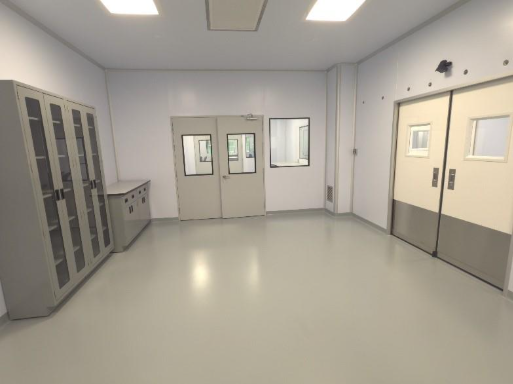
In pharmaceutical production, contamination is the enemy. Every surface must be easy to clean and resistant to microbial growth. Modular panels are designed specifically for this purpose. Unlike traditional construction, which can shed particulate matter, modular systems are engineered for cleanroom construction.
1. Superior Hygiene and Non-Porous Surfaces
The primary defense against contamination is the wall surface itself. Modular panels feature non-porous surfaces that withstand rigorous cleaning protocols. They are often coated with materials like uPVC or chemically resistant finishes that repel moisture and bacteria.
For example, many panels are tested against specific microbes like Staphylococcus aureus or E. coli, ensuring that surface bio-burden remains low even between cleaning cycles. The smooth finish eliminates the tiny crevices found in drywall where microbes hide, making your facility safer and easier to validate.
2. Air Tightness and ISO Cleanroom Compliance
Controlling airflow is critical for maintaining ISO cleanroom compliance. Modular systems are designed with precision connections that ensure air tightness. This is essential for maintaining positive or negative pressure differentials required by ISO 14644-1 standards.
These panels also facilitate HEPA filtration integration. Because the walls are pre-engineered, cutouts for filtration units and air returns are precise, eliminating gaps that could lead to air leakage. This tight seal helps facilities maintain the specific ISO class required for their operations, from Class 8 gowning rooms to Class 5 aseptic filling suites.
3. Flush Glazing for Cleanrooms
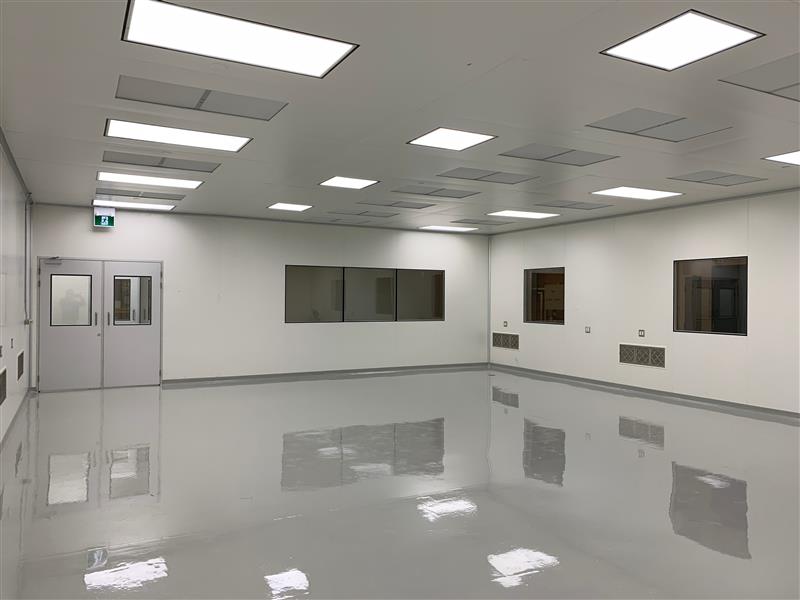
Ledges collect dust. In a sterile environment, a window ledge is a liability. Modular systems solve this with flush glazing for cleanrooms. Windows are integrated directly into the panel system, sitting completely flush with the wall surface. This design removes horizontal ledges, making the walls easier to wipe down and removing potential accumulation points for particles and bacteria.
Flexibility: The Hidden ROI of Modular Walls
One of the biggest challenges in pharma is the speed of innovation. Production lines change, and facilities must adapt.
Reconfiguration Without Production Downtime
Traditional construction is permanent. Moving a stud wall means demolition, dust, and weeks of shutdown. Modular panels offer a different approach: modular panel reconfiguration without production downtime.
Because these systems are often non-progressive—meaning you can remove a single panel without disturbing the adjacent ones—you can modify a room layout or swap out a damaged panel quickly. You can expand a lab or add an airlock over a weekend, rather than shutting down for a month.
Speed to Market: A Real-Life Example
Time is money in pharmaceutical development. Modular construction significantly accelerates project timelines. Consider a recent project where a 5,000 sq ft lab was installed in just 12-16 weeks. Achieving that same timeline with traditional stud and drywall would be nearly impossible, given the time required for mudding, sanding, and painting multiple coats of epoxy.
This speed contributes directly to the ROI of modular walls. When you factor in the reduced construction schedule and the ability to start production sooner, the modular panel's total cost of ownership is often lower than traditional methods over the facility's lifespan.
Applications Beyond Pharmaceutical Manufacturing
While pharmaceutical labs are a primary use case, the benefits of controlled environment facilities extend to other high-tech sectors. The same features that protect drug safety also serve:
EV Battery Manufacturing
Where dry rooms require extreme humidity control to prevent lithium reaction.
Healthcare and Hospitals
Hospitals use modular walls for operating theatres and isolation rooms. The anti-microbial properties of the panel finish help fight hospital-acquired infections, while the speed of installation means critical care units can be built or expanded rapidly during health crises.
Electronics and Microelectronics
Semiconductor manufacturing requires even stricter particulate control than operating rooms. Anti-static modular panels are used to create static-dissipative environments, protecting sensitive electronic components from electrostatic discharge (ESD) while maintaining strict ISO cleanroom standards.
Cannabis Cultivation and Extraction
As the cannabis industry matures, regulations are tightening to match food and pharma standards. Modular grow rooms provide the insulation and seal required to control humidity and temperature precisely—essential for consistent crop yields—while extraction labs use them to create safe, clean processing zones.
Data Centers
For hot/cold aisle containment and secure server protection.
Aerospace
Where particulate-free zones are essential for satellite and component assembly.
Agriculture
Specifically in high-tech indoor growing and tissue culture labs where biosecurity is paramount.
Technical Advantages for Engineers
For facility managers and engineers, the practical benefits of modular systems go beyond just the walls.
Modular Panel Utility Integration
Electrical raceways and gas lines can be integrated directly into the panel cavity during manufacturing. This keeps the wall face clean and uncluttered while protecting vital services.
Sustainability and Reusability Benefits
Modular construction generates far less waste than traditional building. Most components are recyclable, and because the walls can be disassembled and moved, they support environmentally sustainable construction practices.
Frequently Asked Questions
Q: Can modular panels be reconfigured without shutting down operations?
A: Yes. Unlike traditional construction, most high-quality modular wall systems are non-progressive. This means individual panels can be removed, replaced, or repositioned without dismantling the entire wall run. This allows facilities to make modifications with minimal dust and virtually no downtime, keeping your critical operations running.
Q: Do modular panels meet ISO 14644-1 standards?
A: Absolutely. Modular panels are specifically engineered for ISO-classified cleanrooms. Their non-shedding surfaces, air-tight connections, and compatibility with HEPA filtration systems make them the ideal choice for achieving compliance with ISO 14644-1 classifications ranging from ISO 9 to ISO 5.
Q: How does the cost compare to traditional drywall?
A: Modular panels often provide a lower cost of ownership than traditional drywall. They reduce labor and installation time, allow for easier future modifications, and may qualify for faster depreciation since they are classified as business equipment rather than part of the building. This combination makes them a cost-effective solution for commercial and industrial projects.
Ready to Build Your Controlled Environment?
Don't let outdated construction methods slow down your innovation. Whether you need a compliant pharma lab or a cutting-edge battery facility, our modular solutions deliver speed, compliance, and flexibility. Choosing modular panels ensures your facility is compliant, flexible, and ready for ISO cleanroom standards.
Contact our team today to discuss your project requirements
More blog
Discover our more articles
.png)
.png)