
Modular Wall Panels for Food & Beverage Processing Facilities: Hygienic & Regulatory-Compliant
February 18, 2026

Modular Wall Panels for Food and Beverage Processing Facilities: Hygienic & Regulatory-Compliant Solutions
Reduce installation time by 50%, ensure 100% FDA/USDA compliance, and lower long-term maintenance with non-porous uPVC or stainless steel panels.
Modular wall panels for food processing facilities are widely adopted as a high-performance solution for hygienic, moisture-resistant, and regulatory-compliant construction. In the food and beverage industry, maintaining strict standards of hygiene, safety, and efficiency is critical. A single lapse in facility design can result in costly recalls and long-term brand damage. From meat packing plants to commercial bakeries, facility managers have long sought solutions for construction and renovation that not only meet regulations but also boost daily productivity and cleanliness.
Modular wall panels for food processing facilities are prefabricated, non-porous, moisture-resistant wall systems engineered to support hygiene, regulatory compliance, and operational efficiency in food and beverage manufacturing environments.
Many food manufacturers also integrate modular cleanroom systems to maintain contamination control in high-risk or high-care processing zones. While many operations focus on investing in new machines or updating operational protocols, the very walls and ceilings surrounding every process are just as vital. Modular panels have changed the way leading companies approach facility upgrades, offering a way to construct and maintain food-safe environments that are built for the future. In this guide, you’ll discover the essential reasons modular panels are becoming an industry standard—and why they’re a smart choice for your next project.
.png)
Hygienic Modular Wall Panel Materials for Food Safety Standards
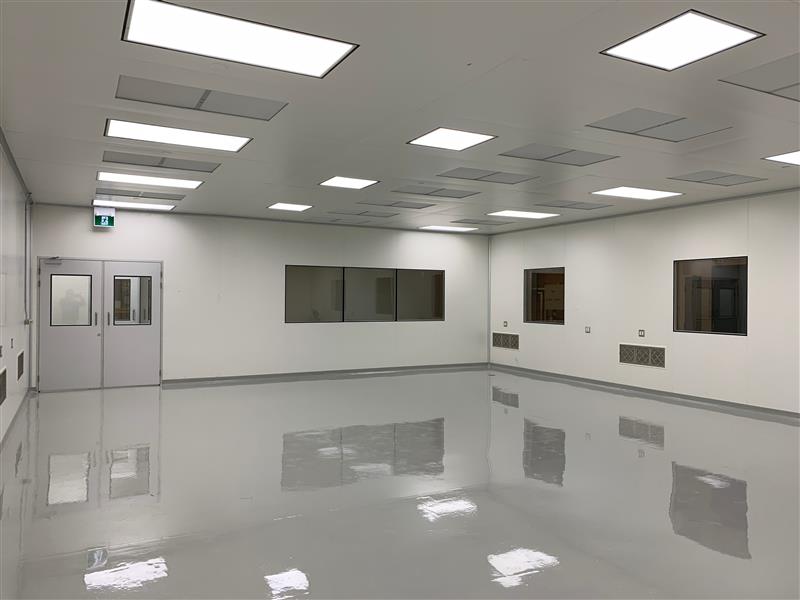
The right materials are at the heart of modular panels’ success in food and beverage applications. Unlike traditional drywall, concrete, or porous block walls, which can trap moisture and harbour bacteria, modular panels are crafted with smooth, non-porous surfaces. Many top panel products feature advanced coatings, such as antimicrobial finishes that inhibit surface microbial growth, complementing — not replacing — established sanitation protocols.
Most manufacturers use uPVC, stainless steel, or similar food-safe facings over insulating foam or specialty cores, creating a seamless barrier against contamination. The result is a wall system that supports superior hygiene—and is easy to keep that way. Integrating modular panel systems into facility infrastructure enhances compliance, durability, and operational efficiency.
Modular panels also contribute to regulatory compliance. Their materials support compliance with USDA, FDA, and global food safety frameworks such as ISO 22000 and GFSI-recognized standards. By prioritizing food-grade materials and seamless system design, you’re investing in both immediate hygiene and long-term food safety.
Moisture-Resistant Modular Panels for Food Processing Plant Washdowns
One of the greatest threats to any food production environment is uncontrolled moisture. Frequent washdowns, steam, and product spills create conditions where traditional building materials break down. Gypsum-based walls may swell, warp, or develop hidden pockets of mould. Concrete can become porous over time, absorbing spills and providing a breeding ground for spoilage organisms.
Modular panels offer a strong alternative. They are engineered to resist water intrusion and moisture degradation, resistant to swelling, and far less likely to harbour hidden contaminants. High-performing panels maintain their integrity even after years of exposure to humidity or frequent cleaning cycles. When acidic substances or harsh detergents are in regular use—such as in cheese dairies or seafood processing plants—their corrosion resistance is equally vital.
Adopting modular wall systems enhances long-term durability and reduces lifecycle maintenance costs. Fewer repairs, less downtime, and a lower risk of regulatory citation all lead to significant cost savings over time.
.png)
Easy-to-Clean Sanitary Wall Panels for Optimized Plant Sanitation
In a sector where cleaning must happen thoroughly and often, the ability to quickly and completely sanitize wall and ceiling surfaces is essential. Traditional construction creates corners, crevices, and joins that are not only time-consuming to clean but also prone to harbouring residue that can impact both food safety and quality.
Modular panels change this equation. Their smooth, continuous surfaces facilitate rapid cleaning—grease, dust, and organic matter can be removed with simple washing or wiping. Panels are designed with tight, flush connections that prevent the accumulation of hidden grime. Because panels do not absorb liquids and do not deteriorate from repeated sanitation, their upkeep costs stay low year after year.
By reducing the labour and chemical costs required for thorough cleaning routines, modular systems allow food and beverage plants to maximize production uptime while still meeting or surpassing all regulatory cleaning standards. This direct reduction in labour and resources quickly adds up, improving operational efficiency and lifecycle return on investment.
Facility Flexibility: Customizing Modular Wall Systems for Shifting Workflows
Another key operational advantage of modular wall panels for food processing facilities is the flexibility it gives facility managers and owners. Food and beverage processors operate in rapidly changing markets—products shift with trends, and workflows must adapt to new machinery, ingredients, or packaging standards.
With modular panels, walls and partitions can be moved, extended, or even reconfigured with far less disruption than traditional builds. If a production line must be expanded or a plant layout needs adjustment, modular construction allows for easy changes. Custom finishes, integrated pass-throughs, vision panels, and specialized doors can all be built into the system from the start, creating a truly purpose-built environment.
This flexibility reduces both downtime and overall costs when upgrades are required, making it a future-proof investment.
Modular Panels vs. Traditional Construction: Comparing Total Cost of Ownership
The case for modular is clear when you weigh the total cost of ownership and project lifecycle benefits:
- Speed of Installation:
Modular components arrive ready to install. Assembly is straightforward and requires less labour, enabling upgrades and new spaces to be operational faster than with blockwork or drywall.
- Cleaner, Safer Installation:
Modular building creates minimal dust, debris, and airborne contamination compared to traditional methods. This means less risk to staff and a smoother workflow when construction takes place in active facilities.
- Superior Adaptability:
Businesses can evolve without costly demolition. Modular systems can often be reconfigured, extended, or relocated to new facilities with ease.
Learn more about modular cleanroom construction and regulatory-ready facility design and see how modular cleanrooms help businesses keep up with increasing regulatory demands.
For additional guidance on compliance and best practices, the FDA’s Current Good Manufacturing Practice (CGMP) standards offer clear expectations for food safety infrastructure in processing and packaging plants.
Sustainable Modular Wall Panels: Green Building for Industrial Facilities
Sustainability is now a key consideration for every sector, and food and beverage companies are no exception. Modular panels support a green agenda in multiple ways. Because components are prefabricated and cut to precise dimensions, waste is minimized both in manufacturing and on-site. Need to expand or decommission a section? Panels are easily removed, repositioned, or recycled, dramatically reducing landfill burden compared to traditional drywall demolition.
Additionally, many modular systems are manufactured using recycled content and are engineered for energy efficiency, improving insulation and reducing heating and cooling expenses. Facilities investing in sustainable modular construction demonstrate measurable environmental responsibility and operational efficiency.
Frequently Asked Questions: Modular Wall Panels for Food Processing
Are modular wall panels approved for food processing facilities?
Yes. Modular panels are manufactured using food-safe materials designed to support compliance with USDA, FDA, and CGMP standards. Their surfaces are food-safe, easy to disinfect, and resistant to contamination.
What cleaning procedures can modular wall panels withstand in food facilities?
Panels built for the food and beverage sector are designed to endure high-pressure hose-downs, chemical disinfectants, steam, and repeated scrubbing without breaking down, swelling, or delaminating.
Will switching to modular panels increase our construction expenses?
While the initial price point for modular panels can be higher than basic drywall, the savings from reduced labor, lower maintenance, compliance advantages, and minimized downtime frequently outweigh the difference in just a few years.
How quickly can a modular wall system be installed?
Modular builds are much faster than traditional construction; some projects see installation times cut by nearly half. Depending on project scope and complexity, this jump in speed means less time waiting and more time producing.
Are modular panels a sustainable choice for food facilities?
Absolutely. Modular panels often feature recycled content and lead to less waste both during assembly and when adapting the facility in the future. Energy-saving insulation can also reduce day-to-day operational costs.
Conclusion
For leaders in food and beverage, making the switch to modular panels is more than just a trend—it’s a move toward better hygiene, safety, efficiency, and sustainability. Modular systems meet strict regulatory standards, facilitate easier, faster cleaning, and allow facilities to adapt as business evolves. Whether you are constructing a new plant, expanding production, or bringing an old facility up to code, modular panels should be at the top of your list.
By investing in modular solutions like those available through Moddulx, you safeguard your operations, maintain the highest food safety standards, and gain the flexibility needed in a fast-changing market. Explore more about modular innovation on our Industry Ready page, and don’t hesitate to reach out for guidance on building a cleaner, safer future for your business. Modular wall panels for food processing facilities are no longer optional and are increasingly becoming a preferred standard in modern food facility construction. Looking to install modular wall panels for your food processing facility?Contact our experts today.
More blog
Discover our more articles
.png)
.png)